「Light Echo Ⅱ」は、菅原彩美、塙康平、畑山太志、上田智之による4名の作品から、空間に行き渡る新しい空気と光を生み出す4回目のグループ展です。
2020年より、数学者の岡潔が説く「情緒」や大江健三郎の小説などを手がかりに、人が生きるうえで決して失われることがないものについて対話を続けながら、これまで同作家による3回の展覧会「Rejoice! 豊かな喜びの証明」(アキバタマビ21、2020、東京)、「Rejoice! 豊かな喜びの証明Ⅱ: Kairos」(セゾンアートショップ、ヨコハマ グランド インターコンチネンタルホテル、2021-2022、神奈川)、「Light Echo」(コートヤードHIROO、2023、東京)を開催してきました。
神話や物語の時空を心に据えて描かれる菅原の絵画は、さまざまな筆触が重なっていく画面に現れる豊かな絵肌と色彩によって、鑑賞者を没入感ある絵画内部へと誘います。
塙が無数の白い点描を通し、内省的な光として海景や人物を見出すとき、個と世界の新しい遠近法が生まれます。
畑山は、御神木や森との出会いから、目には見えない情報を捉えようと空間や事物に耳を澄ませ、絵を描くことで新たな秩序を見つけ出していきます。
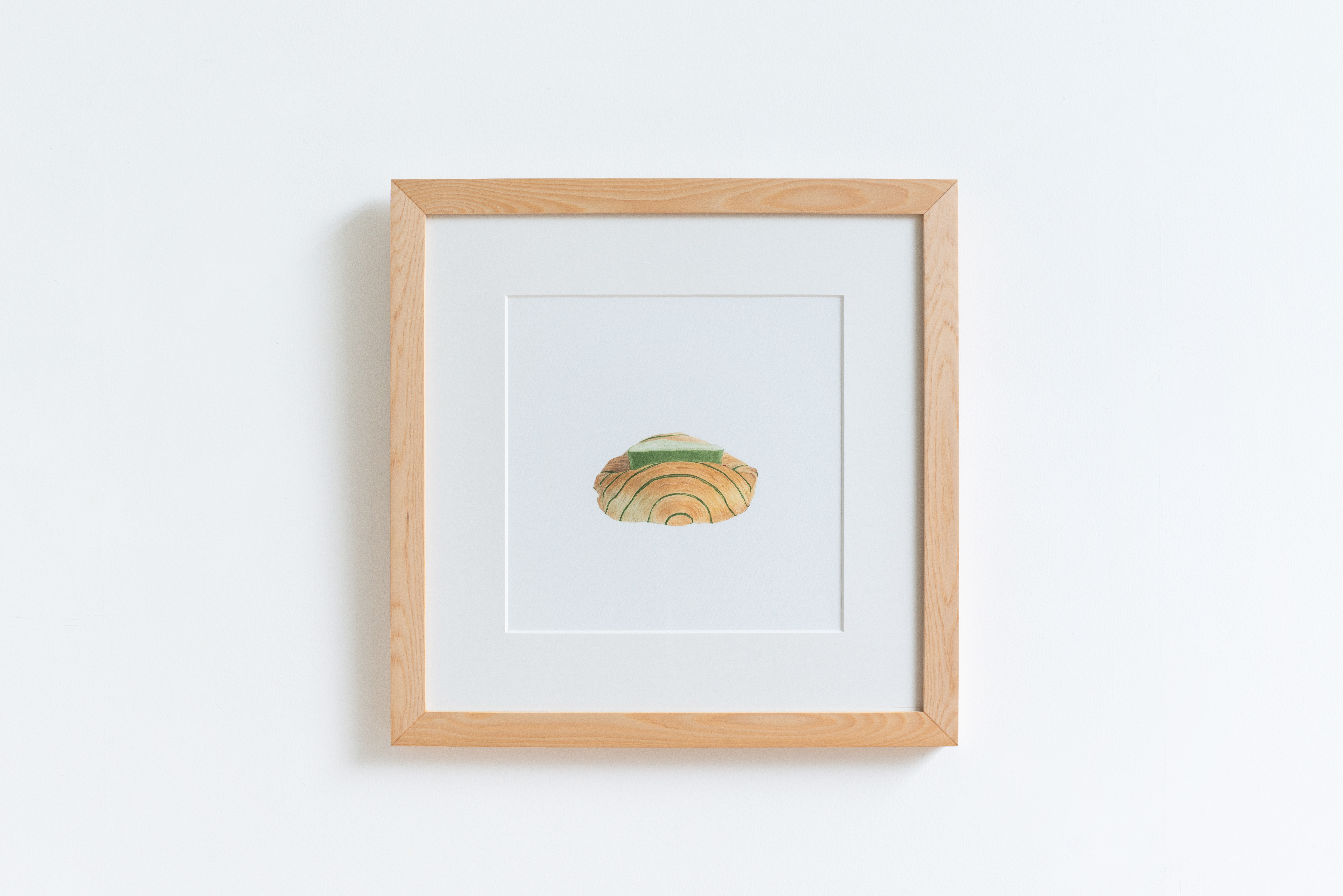
上田は、空や山々、野菜など、その瞬間にしか起こり得ない光景を心にとめ、水彩絵具の透明な層によってそこに変わることのない時間を定着させます。
4名の作品が並べられるとき、空間は新しい影響を受けるでしょう。例えばそれは、ある光の存在が作品の内側と外側に広がり、不可視の関係性がその透明さをそのままに色づきはじめることを指すのかもしれません。活性化された作品と空間には、凹凸はそぐわないものとして、調和的な響きが静かにこだまするようです。そうした響きは、空気を編むことができる潜在的なメディウムとなり、ホテルロビーの展示空間をはじめ、そこを行き交う人々や部屋、オブジェ、設えにまで深く浸透していきます。
Light Echo II isthe fourth group exhibition by AmiSugawara, Kohei Hanawa, Taishi Hatayama, and Tomoyuki Ueda. Bringing togetherworks by these four artists, the exhibition seeks to generate a renewedatmosphere of air and light throughout the exhibition space.
Since2020, the artists have engaged in an ongoing dialogue about what can never belost in the course of human life, drawing inspiration from mathematicianKiyoshi Oka's concept of jocho ("emotional depth" or"sentiment") and the novels of Kenzaburō Ōe. This shared inquiry hasgiven rise to three previous exhibitions: Demonstrations of Rejoicing (AKIBATAMABI21, Tokyo, 2020), Demonstrationsof Rejoicing II: Kairos (Sezon Art Shop, InterContinentalYokohama Grand, Kanagawa, 2021–2022), and Light Echo (CourtyardHIROO, Tokyo, 2023).
Sugawara'spaintings are rooted in the temporal and spatial worlds of myth andstorytelling. Their richly layered surfaces and vibrant colors, built throughdiverse brushstrokes, draw viewers into immersive pictorial spaces.
Throughcountless white dots, Hanawa discovers seascapes and human figures asintrospective forms of light, creating a new perspective on the relationshipbetween the individual and the world.
Inspiredby encounters with sacred trees and forests, Hatayama listens attentively tospaces and objects in an attempt to perceive invisible forms of information.Through painting, he uncovers new orders hidden within the world.
Ueda captures fleeting moments—skies, mountains, vegetables, and other scenes thatcan exist only in a particular instant—and preserves their enduring sense oftime through transparent layers of watercolor.
When these four bodies of work are brought together, the exhibition space itselfundergoes a transformation. It may be that a certain light begins to extendboth within and beyond the artworks, allowing invisible relationships to emerge while retaining their transparency. As the works and the surrounding space become activated, dissonance gives way to a quiet resonance of harmony. Thisr esonance becomes a latent medium capable of weaving the air itself, permeating not only the hotel lobby exhibition space but also the people who pass throughit, the guest rooms, the objects, and every element of its environment.


.jpg)